

37 – Sambèło da ròcoło

37 Sambèło da ròcoło
Anatemah
Suggestions and rhythm, between acoustic and electronic. A journey to the very end of human essence, in the wake of a tradition that makes dialect a gateway to the invisible.
Thirty-seventh production for nusica.org, a cultural association that promotes and supports innovative artists.
The new Anatemah album will be released on October 18, 2025. The album is preceded by the single Casoto, out on October 10.
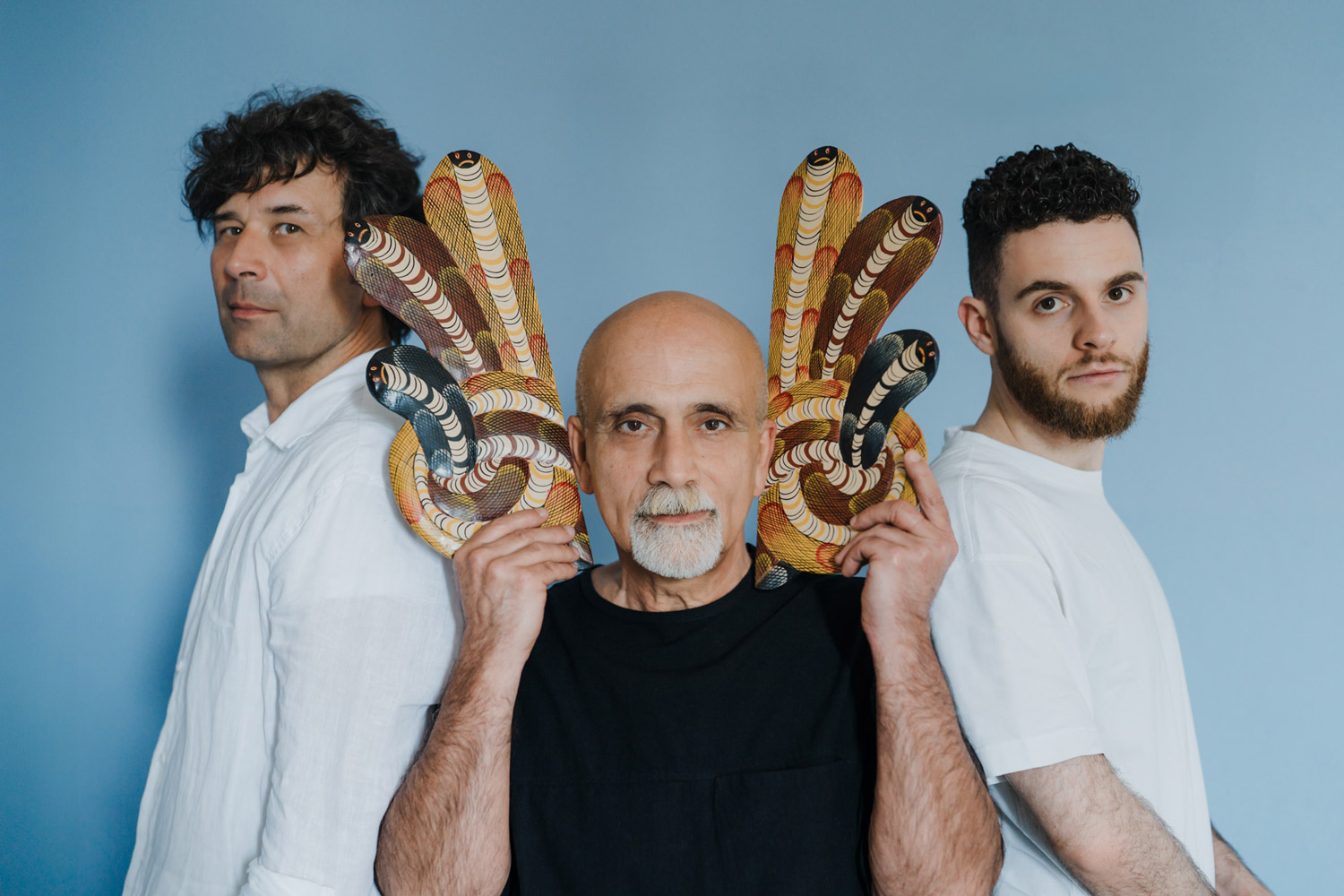
All of Anatemah’s experimentation is present in this latest work, poised between synaesthesia and metaphor. Sambèło da ròcoło, a title that echoes the ancient Venetian dialect, is both a tribute to the roots of the trio — Alessandro Fedrigo, Michele Tedesco, and Gian Ranieri Bertoncini — and a symbolic narrative, a journey through the folds of an essential artistic endeavor.
The bird figure evoked by the sambeo is in fact a symbol with a dual soul: on one hand, the animal reference suggests an idea of freedom, of shedding convention; on the other, its figurative meaning (fool, ‘mockingbird’) takes on the noblest surrealist resonances, with foolishness as an alternative to codifications, to the ignoble everyday.
Nothing could be more relevant in an age like ours, where the ‘sambeo’ of the moment, subjugated to social dictates, unknowingly leads its peers toward the abyss, naively becoming a subtle trap that generates illusion and foolishness. An endless chain reaction.
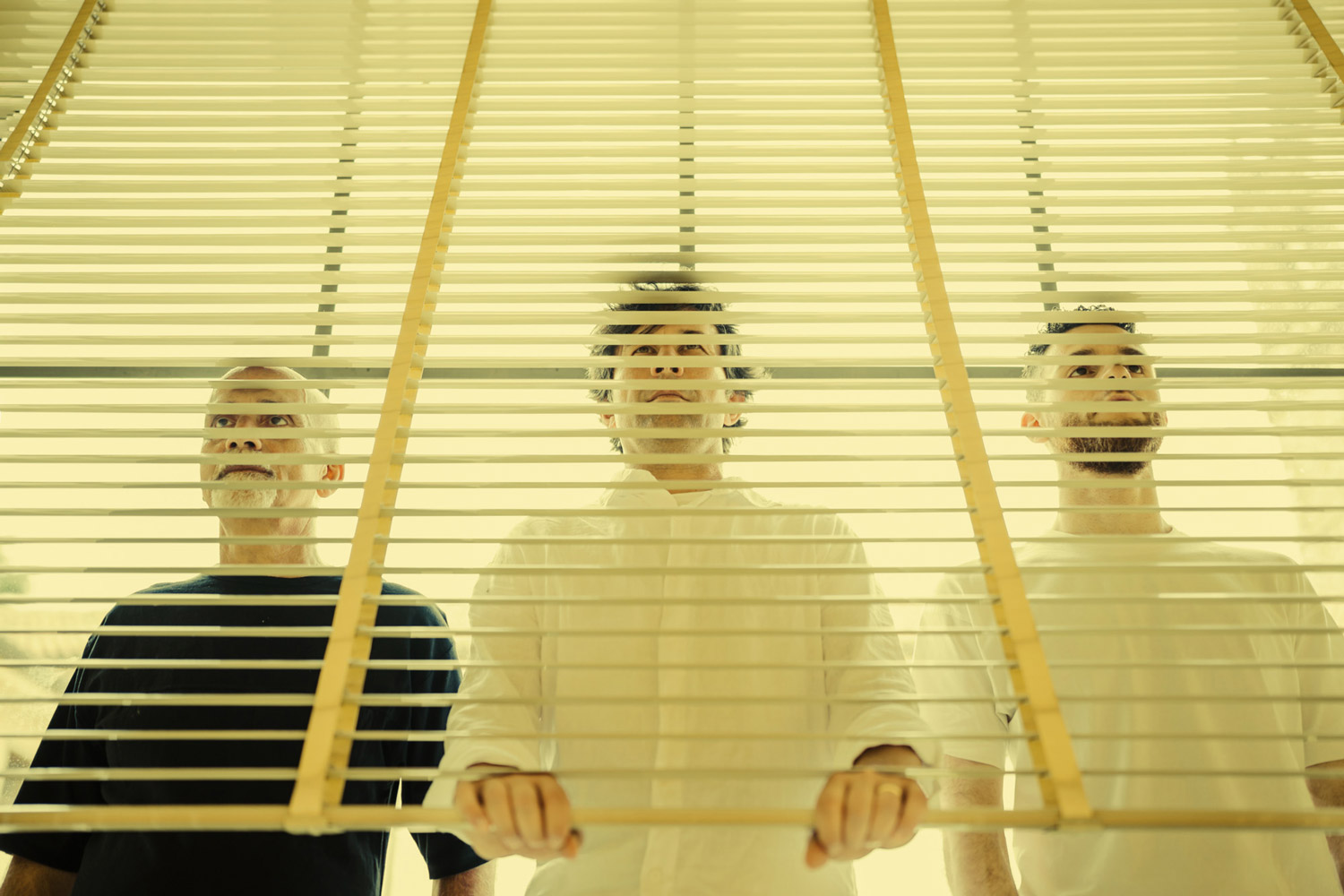
Moreover, the image of the bird luring others with its song also embodies the trio’s artistic intent: to create a sonic call for the contemporary human being, often lost in a frenetic and fragmented reality.
Out on October 18, 2025 on the nusica.org label, the album features the collaboration of guitarist and producer Frank Martino, a visionary musician capable of expanding the trio’s depth and sonic imagination.
The album is made up of twelve tracks, whose titles (Dàghe!, Casòto, Tàsi e tira, etc.) evoke the genuineness of dialectal expression — that ability to reach the heart of things which escapes canonical language, confined within the limits of univocal expression.
From this perspective, Anatemah’s music itself becomes an exploratory language, a mine of suggestions, images, and sounds capable of giving shape to a certain idea of the world. Not by chance, the trio has always embraced an aesthetic that could be described as ‘everyday surrealism’: a sonic transfiguration of reality, where the dreamlike and the unreal become tools for exploring identity and the most authentic personal experience.
Anatemah is a constantly evolving sound laboratory, seeking in sound a form of truth and on stage a ritual space for a new relationship between art and life. The trio, formed in 2023 by Alessandro Fedrigo (electric bass), Michele Tedesco (trumpet), and Gian Ranieri Bertoncini (drums), was born from the desire to subvert contemporary musical conventions and restore to music a profoundly human dimension, intertwining jazz, electronics, and sonic experimentation.
- Dàghe! (04:44)
- Casòto (03:45)
- Àspexe (05:25)
- Tàsi e tira (03:42)
- Rénto e frasche (05:54)
- No s’ciàpo de osèi (02:53)
- Pan e sałado (03:54)
- S’ciòpo con rincuło (03:25)
- Moła el can (05:21)
- Ła guardia forestàłe (03:29)
- Àreo el tordo (05:27)
- Mimetizà (03:13)
Alessandro Fedrigo | electric bass
Michele Tedesco | trumpet
Gian Ranieri Bertoncini | drums and electronics
Frank Martino | electric guitar
Produced by nusica.org
Made with the support of NUOVOIMAIE
Electroacoustic Jazz, Vision, and Roots
Anatemah is a trio formed in 2023 by Alessandro Fedrigo (electric bass), Michele Tedesco (trumpet), and GianRanieri Bertoncini (drums). The project was born from the desire to subvert contemporary musical conventions and to restore a deeply human dimension to music, intertwining jazz, electronics, and sound experimentation.
Anatemah’s music moves between composition and improvisation, between acoustic sound and electronic processing, shaping a language that—though complex—retains emotional immediacy. The trio cultivates an aesthetic that could be described as everyday surrealism: a sonic transfiguration of reality, where the dreamlike and the unreal become tools to explore identity and the authenticity of personal experience.
The group’s forthcoming album, titled Sambeo Da Rocolo—a Venetian dialect expression—reflects the musicians’ regional roots and symbolizes, through the image of a bird that lures others with its song, the trio’s artistic intent: to create a sonic call for contemporary humanity, often lost in a frenetic and fragmented reality. The compositions thus become invitations to shed the masks imposed by society and to reconnect with one’s own essence.
The project will be enriched by the collaboration with guitarist and producer Frank Martino, a visionary musician capable of further expanding the trio’s sonic depth and imaginative scope. The recording will be accompanied by an innovative use of video mapping, giving rise to an immersive, multisensory artistic experience.
Anatemah is a constantly evolving sound laboratory, seeking in sound a form of truth, and on stage a ritual space for a renewed relationship between art and life.
Sambèło da ròcoło
Daghe: A funky, energetic composition that seeks to evoke the essence of hunting. The piece unfolds through an alternating 7/4 meter (sometimes 4+3, sometimes 3+4) and specific rhythmic obbligatos — elements designed to musically translate the intrinsic duality of the hunt: on one side, the physical vigor, determination, and sacrifice that define this practice (including the discomfort of pre-dawn awakenings and meticulous preparation); on the other, the composure, contemplative patience, and sharp focus required for a successful outcome.
Casoto: Made of branches and leaves, the casoto is a small shelter where the hunter deceitfully hides in order to kill undisturbed. Much like an online hater who cowardly launches attacks from the shadows, without concern for the consequences of their actions. The ultimate goal is to bring down. The piece belongs to the ‘electronic’ section of Sambeo da Rocolo, which consists of six compositions where layers of sound intertwine with samples and acoustic instrument riffs, and where post-production plays a crucial role in the compositional process.
Aspexe: The piece is inspired by the mysterious and captivating nature of snakes, creatures that evoke both allure and fear. The music was composed to capture the essence of this animal, with a rhythm that slithers like a snake through the night, enveloping the listener in an atmosphere of mystery and suggestion. An asymmetric reggae.
Tasi e tira: The silence required in the casoto in order to shoot and catch the prey off guard. Here too, the theme of hiding and fighting with unequal weapons returns, cruelly wrong-footing the victims, unaware of their grim fate. The metaphorical parallels with our way of living are, sadly, countless. This track belongs to the ‘electronic’ section of the album. Syncopations and rhythmic shifts follow one another, evoking the cadence of gunshots.
Rento e frasche: “An energetic composition with sudden changes of tempo, like a chase with shifts in direction, like a flight into the bushes, carrying with it all the resulting confusion and unpredictability. This piece too is built on a series of intervals — in this case, minor thirds and the perfect fourth.
No s’ciapo de osei: A piece that captures the essence of freedom and the beauty of a flock of birds in flight. With a light, airy rhythm, the music soars and moves like the birds themselves, creating an atmosphere of suspended dance in midair. This composition too is part of the album’s ‘electronic’ section.
Pan e Salado: “A piece that offers a musical representation of the post-hunting banquet, where food becomes a symbol of genuineness and existential pragmatism. The composition unfolds through a structural progression reflecting the dynamics of conversation: from a cadenced, declarative opening it evolves into a precipitous 6/8 obbligato, evoking the frantic overlap of voices. The solo section, driven by a sustained rhythm and deliberately misleading rhythmic obbligatos, culminates in a moment of free improvisation that musically conveys the tangled interplay of differing opinions and temperaments. The final thematic reprise brings everything back to a harmonious resolution, symbolizing a return to everyday life with renewed satisfaction and collective fulfillment.
S’ciopo con rinculo: “A ‘heavy’ piece, with a violent rhythm mirroring the act of shooting. It is emblematic of how human ingenuity can give rise to great technology alongside great brutality. How surprising inventions can drive social progress, yet also drag it into the deepest abyss. In other words: every creation can serve a noble purpose, but the ‘recoil’ symbolizes the danger of its counterproductive use. The track belongs to the ‘electronic’ section of the album.
Mola el can: “Let the dog go. The animal is the hunter’s accomplice, carrying out his commands. A waltz danced by man and beast, in symbiosis to enact a plan of death. It is an ambiguous piece, just as the relationship between the two entities is ambiguous in this context: a bond made of affection and mutual trust, yet exploited to sow violence. Can love, too, give rise to a dangerous complicity?
La guardia forestale: “A trip-hop-like piece, cadenced and symmetrical — like the march of authority governing our lives. In a Dada manner, sampled voices speak of possible escape routes from the dictates of power. Evasive electronics.
Areo el tordo: The waiting for the prey, its observation, the choice of the moment to deliver the fatal shot inspired me to write a piece that is meditative yet alert, with shifts in atmosphere. The piece is entirely built on a series of two intervals — the major second and the perfect fourth — played by bass and trumpet also in retrograde and inverted form.
Mimetizà: The theme of camouflage returns — of hiding in order to act maliciously in the shadows. In some way, the figure of the mask emerges. Wearing the mask allows the wearer to lose their own identity and assume that of the being or force the ritual object represents, creating a shift in awareness and an estrangement from social conventions. The casoto and the hunter’s camouflage suit conceal the threat of the dark side that potentially dwells within each of us, and that can find release even in situations that are socially condemned yet lazily accepted.
Sostieni nusica.org
nusica.org è un’associazione no profit che promuove la cultura musicale.
Partecipa al progetto con una donazione di 14 euro e riceverai il cd in regalo.